Welbilt Bread Machine Owners Manual: A Comprehensive Guide
This manual provides detailed instructions for various Welbilt models – from the ABM-100 Series to the ABM3500, and even the ABM2H52. Resources, including archived manuals and Reddit support, are included.
Welbilt bread machines have long been a popular choice for home bakers, offering convenience and consistent results. From classic models like the ABM-100-3 and ABM-100-4 to more recent iterations such as the ABM2H52/ABMY2K1 and ABM3500/ABM8200 series, Welbilt provides a range of options to suit different baking needs.
This guide serves as a comprehensive resource for owners of these machines, offering insights into operation, troubleshooting, and maintenance. Finding manuals can sometimes be challenging, but resources like the Internet Archive (manualzilla) offer downloadable PDFs for many models. Online communities, like the r/HelpMeFind Reddit forum, also provide a platform for users to share information and assistance.
Whether you’re a seasoned bread maker or a beginner, understanding your Welbilt machine’s features and functions will unlock a world of delicious, homemade bread. This manual aims to empower you with the knowledge to bake confidently and enjoy the fruits of your labor.
Welbilt ABM-100 Series Models (ABM-100-3, ABM-100-4)
The Welbilt ABM-100 Series, encompassing models ABM-100-3 and ABM-100-4, represents an earlier generation of Welbilt bread machines, still valued for their reliability and simplicity. These machines are frequently found on resale markets, like Etsy, often described as “super clean” and “tested & working”.
While original manuals can be difficult to locate, the Internet Archive (via manualzilla) offers downloadable versions, providing essential operating instructions. Users should familiarize themselves with the basic functions and safety precautions outlined in these manuals. These models are designed for straightforward bread making, offering a convenient alternative to traditional methods.
Despite their age, the ABM-100 series remains a viable option for those seeking a no-frills bread machine. Accessing archived manuals is crucial for optimal performance and understanding the machine’s capabilities. Proper cleaning and maintenance will ensure longevity.
Welbilt ABM2H52 / ABMY2K1 Models: Overview
The Welbilt ABM2H52 and ABMY2K1 models represent a step forward in Welbilt bread machine technology. A readily available PDF manual, accessible online, provides comprehensive safety instructions and detailed operating procedures for these machines. This document is crucial for new users to understand the machine’s functionalities and ensure safe operation.
These models offer a range of pre-programmed settings, allowing for the creation of various bread types and doughs. The manual details how to utilize these settings effectively, as well as providing guidance on customizing recipes to suit individual preferences. Understanding the control panel and component identification, as outlined in the manual, is key to successful bread making.
Users should prioritize reviewing the safety precautions detailed within the manual before initial setup and use. Proper maintenance, as described, will contribute to the longevity and performance of the ABM2H52/ABMY2K1.
Welbilt ABM3500 / ABM8200 / ABM2H60 / ABMY2K2 Models: Features
The Welbilt ABM3500, ABM8200, ABM2H60, and ABMY2K2 models share a common platform, offering a versatile bread-making experience. These machines are frequently found secondhand, sometimes lacking their original manuals – however, archived resources are available online through platforms like the Internet Archive.
Key features include a variety of pre-programmed settings for different bread types, dough cycles for homemade pasta or pizza, and adjustable crust control. These models are designed for convenience, allowing users to create fresh bread with minimal effort. The machines’ capabilities extend beyond basic loaves, enabling experimentation with diverse recipes.
Accessing a manual, even a downloaded version, is vital for understanding specific functions and troubleshooting potential issues. The Internet Archive hosts manuals for these models, aiding users in maximizing their bread machine’s potential. Community support, such as Reddit’s r/HelpMeFind, can also assist in locating lost documentation.
Safety Precautions and Important Notes
Important Safety Instructions: Always ensure the bread machine is placed on a stable, heat-resistant surface, away from flammable materials. Never immerse the appliance in water or any other liquid. Keep the cord away from hot surfaces.
Operational Notes: Before first use, thoroughly clean all removable parts. Do not operate the appliance if the cord or plug is damaged. Always unplug the machine before cleaning or performing maintenance. Avoid touching the heating element during or immediately after operation, as it will be extremely hot.
Ingredient Considerations: Use only ingredients specifically recommended for bread machines. Carefully measure ingredients for optimal results. Never open the lid during the baking cycle unless absolutely necessary, as this can affect the bread’s rise and texture. Refer to the manual for detailed safety guidelines and operating instructions.
Understanding the Control Panel
The Welbilt bread machine control panel varies slightly depending on the model, but generally includes a digital display, function selection buttons, and start/stop controls. Common functions include basic, French, whole wheat, dough, and sometimes specialty cycles like sweet bread or gluten-free.
Key Buttons: The ‘Menu’ or ‘Program’ button allows cycling through pre-programmed settings. ‘Color Control’ adjusts crust darkness – light, medium, or dark. ‘Size’ selects loaf capacity (typically 1lb, 1.5lb, or 2lb). The ‘Start/Stop’ button initiates and halts the baking process.
Display Indicators: The display shows the current cycle stage (kneading, rising, baking), remaining time, and selected settings. Familiarize yourself with these indicators to monitor the bread-making process effectively. Consult your specific model’s manual for a detailed explanation of each button and display feature.
Component Identification
Your Welbilt bread machine consists of several key components. The non-stick baking pan is where the magic happens, removable for easy cleaning. The kneading paddle, usually included, mixes and kneads the dough – ensure it’s securely attached. A measuring cup and spoon are often provided for accurate ingredient additions.

Locate the heating element, typically at the base and sides of the machine, responsible for baking. The viewing window allows monitoring without interrupting the cycle. The lid securely encloses the baking chamber. Some models feature a dispenser for adding fruits, nuts, or seeds at the appropriate time.
Familiarize yourself with the location of the power cord and ensure proper grounding. Understanding each component’s function and location is crucial for safe and efficient operation. Refer to your model’s diagram in the manual for precise identification.
Getting Started: Initial Setup
Before your first loaf, unpack your Welbilt bread machine and remove all packaging materials. Thoroughly wipe down the baking pan and kneading paddle with a damp cloth – avoid abrasive cleaners. Ensure the paddle is firmly secured to the shaft inside the pan.
Place the machine on a stable, level surface away from water sources. Plug the power cord into a grounded outlet. It’s recommended to run a test cycle without ingredients. Select a basic cycle (like ‘Basic’ or ‘White Bread’) and let it run to burn off any manufacturing residue.
This initial run may produce a slight odor, which is normal. Allow the machine to cool completely before proceeding. Familiarize yourself with the control panel and its functions before attempting a recipe. Refer to the manual for specific instructions related to your model.
Basic Bread Recipe – A Starting Point
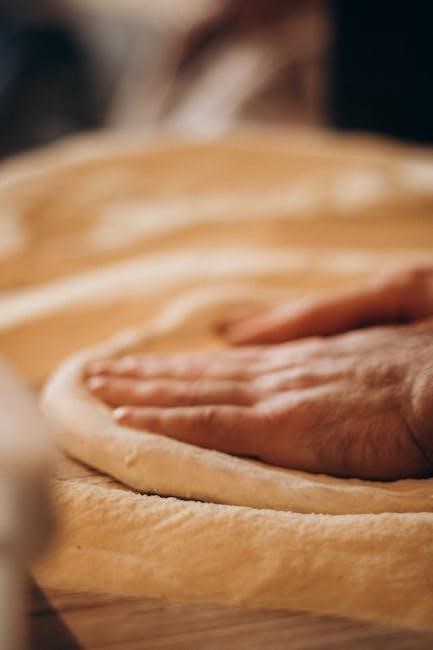
This recipe provides a foundation for your Welbilt bread machine journey. Begin with 1 ¼ cups (296ml) of warm water (around 110°F/43°C), 4 cups (500g) of bread flour, 2 tablespoons (30ml) of sugar, 1 ½ teaspoons (7g) of salt, and 2 ¼ teaspoons (7g) of active dry yeast. Add ingredients to the baking pan in the order recommended by your specific model’s manual – typically liquids first, then dry ingredients, with yeast last.
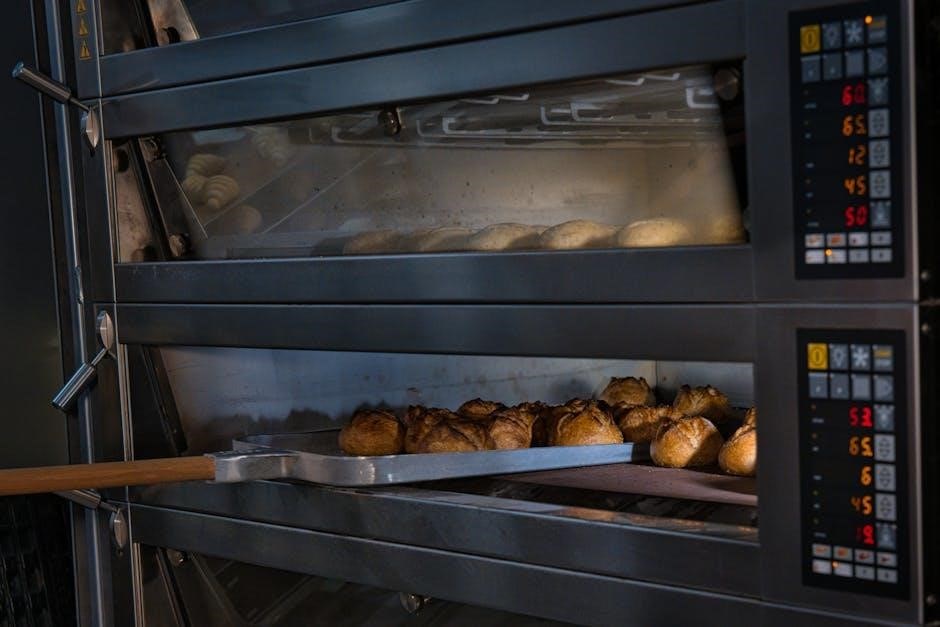
Select the ‘Basic’ cycle and crust color preference (light, medium, or dark). Press ‘Start’ and let the machine handle the kneading, rising, and baking. Baking time typically ranges around 3 hours, but can vary.
Once the cycle completes, carefully remove the baking pan using oven mitts. Let the loaf cool in the pan for 10-15 minutes before inverting it onto a wire rack to cool completely before slicing and enjoying!
Ingredient Measurements and Conversions
Accurate measurements are crucial for successful bread baking. Most recipes utilize both volume (cups, teaspoons) and weight (grams) measurements. While cups are convenient, weight provides consistency. Generally, 1 cup of bread flour equals approximately 120-125 grams. A teaspoon is roughly 4-5 grams.
For liquids, 1 cup equals 237ml, and 1 tablespoon equals 15ml. When converting, especially with flour, using a kitchen scale is highly recommended. Different flours have varying densities, impacting results.
If a recipe calls for a fraction of a teaspoon, remember that ⅛ teaspoon is about 0.625ml, ¼ teaspoon is 1.25ml, and ½ teaspoon is 2.5ml. Precise conversions ensure your Welbilt bread machine delivers consistently delicious loaves. Always refer to your model’s manual for specific guidance.
Using Pre-Programmed Settings
Welbilt bread machines offer convenient pre-programmed settings for various bread types – Basic, French, Whole Wheat, and Dough, among others. These settings automatically adjust kneading, rising, and baking times for optimal results. To utilize them, simply select the desired program on the control panel.
The ABM2H52/ABMY2K1 models, and newer versions, feature intuitive program selection. Ensure you’ve added ingredients in the correct order, as specified in your recipe or the machine’s manual. The machine will handle the rest!
Experimenting with these settings is encouraged. For example, the ‘Dough’ cycle is perfect for making pizza or roll dough. Remember to check the loaf’s doneness towards the end of the baking cycle, and adjust baking time if needed, especially with models like the ABM 4100.
Customizing Bread Recipes
While Welbilt bread machines excel with pre-programmed settings, customization allows for truly unique loaves. Adjusting ingredient ratios – flour, water, yeast, and sugar – impacts texture and flavor. Start with a basic recipe and make small changes, noting the results each time;
Experiment with different flour types: bread flour for a chewier texture, whole wheat for a nuttier flavor. Adding ingredients like herbs, seeds, or dried fruits enhances taste and visual appeal. Be mindful of liquid content; too much can lead to a sticky dough, while too little results in a dry loaf.
For models like the ABM3500, consider adjusting the crust color setting for desired browning. Remember that the ABM 4100 may require slight baking time adjustments for customized recipes. Careful observation and documentation are key to mastering your perfect loaf!
Dough Cycle Functionality
The Dough cycle on your Welbilt bread machine is incredibly versatile, extending beyond just bread. It’s perfect for preparing dough for pizzas, pastries, and even homemade pasta. This cycle mixes and kneads the ingredients, allowing the dough to rise in the machine or be transferred to a separate bowl for further proofing.
Unlike the full bake cycle, the Dough cycle doesn’t include baking. After completion, shape the dough as desired and bake in a conventional oven. This feature is particularly useful for recipes requiring specific baking techniques or for creating artisan-style loaves.
Remember to check the dough’s consistency during the cycle; adjustments to liquid may be needed. Models like the ABM-100-3 and ABM3500 offer varying Dough cycle durations, so consult your manual for optimal settings.
Troubleshooting Common Issues
Encountering problems with your Welbilt bread machine? A common issue is a loaf that doesn’t rise – ensure your yeast is fresh and properly activated. Another frequent concern is a collapsed loaf, often caused by excessive liquid or too much yeast. Carefully measure ingredients for consistent results.
If the kneading paddle becomes stuck, stop the machine and gently dislodge it. A burning smell during baking could indicate an issue with the heating element; discontinue use and investigate. For models like the ABM 4100, ensure the heating element cycle is functioning correctly (approximately 50 minutes into the bake).
Resources like the r/HelpMeFind Reddit community can offer solutions to unique problems. Don’t hesitate to consult the Internet Archive for downloadable manuals specific to your ABM2H52 or ABM3500 model for detailed troubleshooting steps.
Cleaning and Maintenance
Regular cleaning is crucial for maintaining your Welbilt bread machine’s performance and longevity. Always unplug the machine before cleaning. The kneading paddle and baking pan are typically non-stick and can be washed with warm, soapy water. Avoid abrasive cleaners, as they can damage the coating.
Wipe down the exterior of the machine with a damp cloth. Ensure the control panel remains dry. For a deeper clean, occasionally remove any loose crumbs from the heating element area – exercise caution! Inspect the power cord regularly for any signs of damage.
Proper maintenance, as outlined in manuals available on the Internet Archive for models like the ABM-100-4 and ABM3500, will prevent issues. Remember to thoroughly dry all components before reassembling. Consistent care ensures many loaves to come!
Baking Time Adjustments (ABM 4100 Example)
For models like the ABM 4100, understanding the baking cycle is key to adjustments. Users report the heating element typically activates around the 50-minute mark of the timer. A complete bake cycle often concludes with approximately 18 minutes remaining, totaling around 32 minutes on a medium-large loaf setting.
These timings are guidelines; adjustments may be needed based on altitude, ingredient temperature, and desired crust color. If the crust is too pale, slightly extend the baking time. Conversely, if it’s overly dark, reduce it.
Experimentation is encouraged! Refer to online resources and community forums, like those found on Reddit, for shared experiences. Careful observation and minor tweaks will help you achieve perfectly baked bread consistently with your Welbilt machine.
Understanding the Heating Element Cycle
The heating element in Welbilt bread machines operates on a timed cycle, crucial for achieving proper baking and crust development. As noted with the ABM 4100, the element doesn’t engage immediately. Instead, it typically activates around the 50-minute mark of the programmed baking time.
This delayed activation allows for optimal dough rising and development before the baking process begins. The element then cycles on and off to maintain consistent temperatures, ensuring even cooking throughout the loaf. The duration of these cycles varies depending on the selected program and loaf size.
Monitoring the baking process, particularly during the final stages, can help you understand how your machine’s heating element functions. Observing the crust color provides valuable feedback for future adjustments.
Recipe Variations: Beyond Basic Bread
Once comfortable with the basic bread recipe, Welbilt bread machines unlock a world of culinary possibilities. Experimenting with different flours – whole wheat, rye, or gluten-free blends – can dramatically alter the texture and flavor of your loaves.
Adding inclusions like nuts, seeds, dried fruits, or even chocolate chips introduces exciting variations. Remember to adjust liquid levels slightly when incorporating ingredients that absorb moisture. Consider exploring recipes for sweet breads, cinnamon raisin, or savory herb loaves.
The dough cycle is particularly useful for creating rolls, pizza dough, or even pasta dough. Don’t be afraid to adapt existing recipes to suit your Welbilt machine and personal preferences. Online communities, like those found on Reddit, offer a wealth of shared recipes and tips.
Finding Replacement Parts
Locating replacement parts for older Welbilt bread machines can present a challenge, but isn’t impossible. Due to the age of many models – like the ABM-100-3 or ABM3500 – official Welbilt support may be limited. However, several avenues exist for sourcing components.
Online marketplaces, such as eBay, often feature listings for used or new-old-stock parts from individual sellers. Specialized appliance parts retailers may also carry common items like kneading paddles or heating elements. Carefully verify the part number and compatibility with your specific Welbilt model.
Reddit communities dedicated to appliance repair (like r/HelpMeFind) can be valuable resources for locating hard-to-find parts or receiving advice from fellow enthusiasts. Thoroughly document your model number before beginning your search to ensure a successful outcome.
Where to Download Manuals Online (Internet Archive)
The Internet Archive is an invaluable resource for locating original Welbilt bread machine manuals, particularly for discontinued models like the ABM-100-4, ABM2H52/ABMY2K1, and ABM3500/ABM8200. This digital library offers free access to a vast collection of scanned documents, including appliance user guides.
Searching the Internet Archive using your specific Welbilt model number (e.g., “Welbilt ABM-100-3 manual”) will often yield results. Manuals are typically available in PDF format, allowing for easy download and viewing. The site’s collection includes manuals contributed by users, ensuring a diverse range of models are represented.
The Internet Archive provides a crucial service for preserving and sharing information about older appliances, making it a primary destination for Welbilt bread machine owners seeking documentation.
Reddit Communities for Support (r/HelpMeFind)
The Reddit community, specifically the r/HelpMeFind subreddit, can be a surprisingly effective resource for locating hard-to-find Welbilt bread machine manuals. Users frequently post requests for assistance in tracking down documentation for vintage or discontinued appliances.
As evidenced by a recent post concerning a Welbilt ABM 350-3, individuals often share links to manuals they’ve discovered or offer advice on where to search. This collaborative approach leverages the collective knowledge of a large online community.
While not a guaranteed solution, posting a request on r/HelpMeFind, including your specific model number, can connect you with someone who possesses the manual you need or knows where to find it. It’s a valuable supplement to traditional online searches.
Welbilt Bread Machine Model Numbers and Identification
Accurate identification of your Welbilt bread machine model is crucial for accessing the correct owner’s manual and troubleshooting information. Common series include the ABM-100 (with variations like ABM-100-3 and ABM-100-4), the ABM2H52 / ABMY2K1 series, and the ABM3500 / ABM8200 / ABM2H60 / ABMY2K2 models.
The model number is typically located on a sticker or plate on the bottom or back of the appliance. Pay close attention to all characters, as even slight differences can indicate different features or functionalities.
Knowing your specific model allows you to pinpoint relevant resources on sites like the Internet Archive, where manuals for older models like the ABM-100-3 are archived. Correct identification ensures you’re using instructions tailored to your machine.